 E-mail: sales1@rlbcable.com
 English
 العربية
 Le français






How to Choose the Right Steel Cable Reel for Your Application
 Apr 08, 2026|
 View:781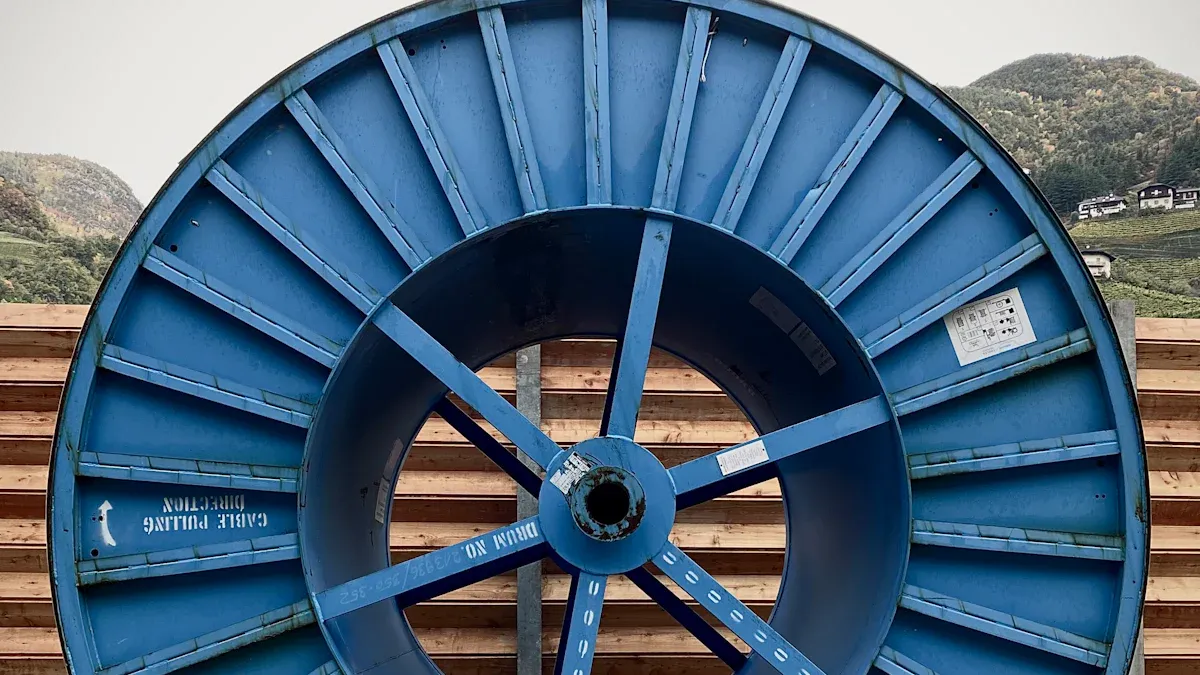
You want to pick the right reel for your job. Choosing can feel hard. Every job has its own needs. You need to think about cable type, length, and amperage. You should decide before you buy. Your work area matters too. For example, bad weather needs galvanized or stainless steel cable reels. The table below shows which reels fit different jobs:
Operational Need | Recommended Configuration |
|---|---|
Frequent reuse or production line winding | Fixed or fully machined reel |
Export and return logistics | Collapsible or pressed flange reel |
Harsh or outdoor environment | Galvanized or stainless steel reel |
Automated payout or rewinding | Motorized or spring-driven reel |
You should also check standards like DIN 46395, NEMA WC 26, and OSHA 1910.176. This makes sure your choice is safe and good quality. Picking cable reels that fit your area and needs keeps your work safe and easy.
Key Takeaways
Pick a steel cable reel that fits your job needs. Make sure it works with your cable type, length, and amperage.
Think about where you work. Use galvanized or stainless steel reels if your job site is tough. This helps stop rust.
Choose the reel type for your workload. Use manual reels for light jobs. Use spring-driven reels for medium jobs. Use motorized reels for heavy-duty jobs.
Check and take care of your reels often. This makes them last longer and keeps them safe to use.
Always follow safety rules and guidelines. This keeps workers and equipment safe when using cable reels.
Assess Your Environment and Application
Define Load and Cable Requirements
First, figure out what your hose or cable reel will carry. You need to know how many circuits there are. Check the voltage and amperage. Find out the cable’s length and thickness. These details help you pick the right reel for your job. Some jobs need reels that can hold up to 40 metric tons. Certain reels can handle 2 to 36 conductors. They can carry 35, 75, 125, or even 200 amps at 600vAC or 550vDC. Cable length and thickness are important too. A 12-gauge reel works for tools that use a lot of power up to 100 feet. If you need longer cables, a 10-gauge reel is safer. If the cable is too thin, it can get hot or lose voltage. This can cause fires.
Tip: Pick a cable reel that is rated higher than your load. This keeps your reel working well and safe.
Consider Mechanical and Electrical Needs
Make sure the reel size matches your cable’s length and thickness. Flange diameter, traverse width, and core diameter matter for protecting your cable. The table below shows how cable length and thickness affect which reel you should pick:
Aspect | Explanation |
|---|---|
Cable Length Influence | Decides how big and what size reel you need. |
Flange Diameter | Should be bigger for longer cables to stop damage. |
Traverse Width | Needs to fit longer cables but keep the reel from getting too big. |
Core Diameter | Changes how tight the first wrap is, which protects the cable from stress. |
Mechanical stress like stretching and bending can hurt cables. You need a reel that stops stretching and breaking. High tensile strength keeps cables from getting longer or failing. This is important for safety. Strong cable reels last in mining, construction, and material handling. Always check the voltage and amperage for your job. Using the wrong reel can break the insulation or cause accidents.
Evaluate Usage Conditions
Your environment and job matter a lot when picking cable reels. Water, chemicals, and very hot or cold weather can cause rust and make steel cable reels wear out faster. Look for reels with coatings that stop rust or use stainless steel parts for tough places. Good materials and strong designs help your reel last longer and work better.
Key environmental factors:
Moisture
Chemicals
Extreme temperatures
In marine places, you need reels for offshore drilling or deep-sea mining. Construction and mining sites need trailing cable reels with strong builds to protect from falling things and rough use. The winding system should help your reel work well and keep the cable safe.
Note: Always pick a reel that fits your environment and job. This is one of the most important things when choosing a cable reel.
You can pick manual cable reels, spring-driven cable reels, or motorized cable reels. Each type works for different jobs and places. Manual cable reels are good for light jobs. Spring-driven cable reels pull cables back by themselves for medium jobs. Motorized cable reels are best for heavy or automatic jobs.
If you check your environment and job carefully, your cable reels will work well and stay safe.
Types of Steel Cable Reels
When you choose the right reel, you need to know the main types of cable reels. Each type works best for certain jobs and environments. Learning about the different types of cable reels helps you match your needs to the best option.
Manual Cable Reels
Manual cable reels use a hand crank or simple turning method. You control the winding and unwinding by hand. These reels work well for light-duty tasks. You might use them in small workshops or for short cable runs. Manual reels cost less and need little maintenance. You can move them easily from place to place. If you do not need to handle heavy cables or long distances, manual reels give you a simple and reliable choice.
Spring-Driven Cable Reels
Spring-driven cable reels use a built-in spring to pull the cable back after you use it. You do not need to wind the cable by hand. These reels work well for medium-duty jobs. You often see them in factories, garages, or service trucks. Spring-driven reels keep cables neat and reduce tripping hazards. To keep them working well, you should:
Inspect reels for wear, damage, or problems with the control parts.
Clean and lubricate moving parts as the maker suggests.
Store reels in a dry, safe place when not in use.
Follow safety rules, such as lifting reels the right way and not overloading them.
Spring-driven reels save time and keep your work area tidy. They also help protect cables from damage.
Motorized Cable Reels
Motorized cable reels use an electric or hydraulic motor to wind and unwind cables. You control them with a button or switch. These reels handle heavy cables and long distances. You often find them in places like energy plants or large factories. The table below shows where you might use motorized reels and what makes them special:
Application Area | Advantages |
|---|---|
Energy and Heavy Manufacturing | Superior strength, supports loads over 2,000 kg, fire resistance, durable in harsh environments |
Motorized reels make it easy to manage large cables. They save you effort and time. You can use them in tough jobs where safety and strength matter most.
When you know the types of cable reels, you can pick the one that fits your job. This helps you work safely and keeps your cables in good shape.
Main Features of Steel Cable Reels
Size and Capacity
Pick steel cable reels that fit your cable’s weight and length. Always choose a reel that can handle 10-15% more than your cable’s weight. This keeps the reel from overloading and makes it safer. The size of the flange and core is also important. If they are the wrong size, your cable could get damaged or be hard to use. Industry rules help you find the right sizes and limits for your reels.
Type of Limit | Details |
|---|---|
Weight Limit | The most weight the reel can safely hold. |
Space Limit | How much space the reel takes up based on drum, traverse, and cable packing. |
Handling Rules | Minimum flange and width needed depending on how you will move the reel. |
Compatibility Rules | Sizes that must match across different suppliers so reels work together. |
Repair or Replace | When to fix or replace reels based on their size and condition. |
Always check your cable’s minimum breaking strength and tensile strength. This keeps your cables safe and works well in many industries.
Steel Cable Build and Longevity
How steel cable is built affects how flexible and strong it is. You want reels that support high minimum breaking strength and tensile strength. Good steel cable reels are made with materials that resist rust. This makes them last longer and keeps your cables safe in tough conditions. Look for reels that protect the cable’s quality and last a long time. Using quality reels saves you money on repairs and stops work from stopping.
Safety and Rules
Safety features are very important for all live cable reels. You must follow safety rules to keep workers and equipment safe. The table below shows key safety features and rules you need to follow.
Part | Details |
|---|---|
Proper Setup | Reels must be mounted and secured correctly to avoid accidents. |
Operator Training | Workers need proper training on how to operate, load, unload, and maintain reels safely. |
Environmental Rules | Follow laws about emissions, waste, and using resources properly. |
Transport Rules | Large reels may need special permits; they must be secured during shipping. |
Quality Checks | Regular checks ensure reels meet safety and durability standards. |
Always look for safety features like guards, locks, and emergency stops. These help you stay safe and meet safety rules.
Moving and Using Reels
How easy it is to move and care for your reels depends on their weight and design. Light reels cost less at first but may need more repairs later. Heavy-duty reels cost more but last longer and need less fixing. Think about what you will use the reels for and pick the best one for your needs.
Tip: Always match your reel’s features to your work and safety needs. This gives you the best performance and value from your steel cable reels.
Maintenance for Longevity
Routine Inspection and Cleaning
You can make your steel cable reels last longer with regular care. Wipe the reel and cord with a dry cloth after each use. Use a soft brush to get dust out of small spaces. Always look at the cord for damage and clean off any oil. Do not use water or strong cleaners on the reel. Checking your reel often helps you find problems early. How often you check depends on how much you use the reel and where you use it. In busy places, check every day or every month. After cleaning, put oil on moving parts to protect the core and stop wear. This also helps keep rust away.
Inspection Type | Frequency |
|---|---|
Frequent Inspection | Daily to monthly intervals |
Periodic Inspection | 1 to 12-month intervals |
Daily Inspection Items | Functional mechanisms, deterioration in systems |
Tip: Checking your reels often tells you when to clean them and keeps them working well.
Proper Storage of Cable Reels
Storing reels the right way stops damage and rust. Always keep reels standing up on flat ground with wheel chocks or wedges. Put them on pallets or rails to keep them off the ground and away from wet spots. Try to keep reels in one layer if you can. If you need to stack them, follow what the maker says. Keep reels away from water, chemicals, sunlight, and heat. Use shelters or covered places for long storage. Leave space between reels so air can move around them. Check stored reels often for rust or damage.
Do not stack reels too close together.
Do not cover reels with tarps or plastic sheets because this can trap water and cause rust.
Never keep broken reels near places where people are working.
Troubleshooting Common Issues
You might have problems like bent flanges, worn arbor holes, or cracked barrels. Bent flanges or worn holes need someone skilled to fix them, like straightening or changing parts. If you see cracked barrels or cores that do not line up, stop using the reel right away and think about getting a new one. Cracks that make the reel unsafe, failed balance tests, or lots of rust mean you should call experts to replace the reel.
Issue Type | Description | Troubleshooting Steps |
|---|---|---|
Moderate Issues | Bent flanges or worn arbor holes | Straighten flanges, replace bearings or bolts |
Severe Issues | Cracked barrels or misaligned cores | Remove from service, consider replacement |
Replacement Criteria | Cracks, failed balance, heavy corrosion | Use certified service providers for replacement |
Taking good care of your cable reels helps you save money and keeps your equipment safe.
You must pick a steel cable reel that fits your job and where you use it. Safety, following rules, and how long it lasts are important. These things help you get more value over time. The table below explains how each part helps you:
Factor | Description |
|---|---|
Product durability and material quality | Strong steel and good building make reels last longer and cost less to fix. |
Industry certifications | Certifications like ISO 9001 and UL make reels safer and follow rules. |
Repair and reconditioning services | Getting repairs from experts can save money and help reels last longer. |
If your job is hard or tricky, ask experts or suppliers for help. They can explain what load you need and help with problems. This helps you pick better reels and keeps your work safe.
FAQ
What size steel cable reel should you choose?
You should pick a reel that holds your cable length and weight. Add 10–15% extra capacity for safety. Check the flange and core size to protect your cable from damage.
How do you keep steel cable reels from rusting?
Store reels in dry places. Use reels with rust-resistant coatings or stainless steel. Clean and oil moving parts often. Keep reels off wet ground.
Can you use one reel for different cable types?
You can use one reel for different cables if the cables fit the reel’s size and weight limits. Always check the reel’s specs before switching cables.
What safety features should you look for?
Look for guards, locks, and emergency stops. Make sure the reel meets safety standards like OSHA or NEMA. Train workers to use reels safely.
How often should you inspect your steel cable reels?
You should inspect reels daily in busy areas. In less active places, check them every month. Regular checks help you find problems early and keep your reels safe.





View More(Total0)Comment lists