 E-mail: sales1@rlbcable.com
 English
 العربية
 Le français






The uses of copper-clad steel wire
 Sep 30, 2025|
 View:2009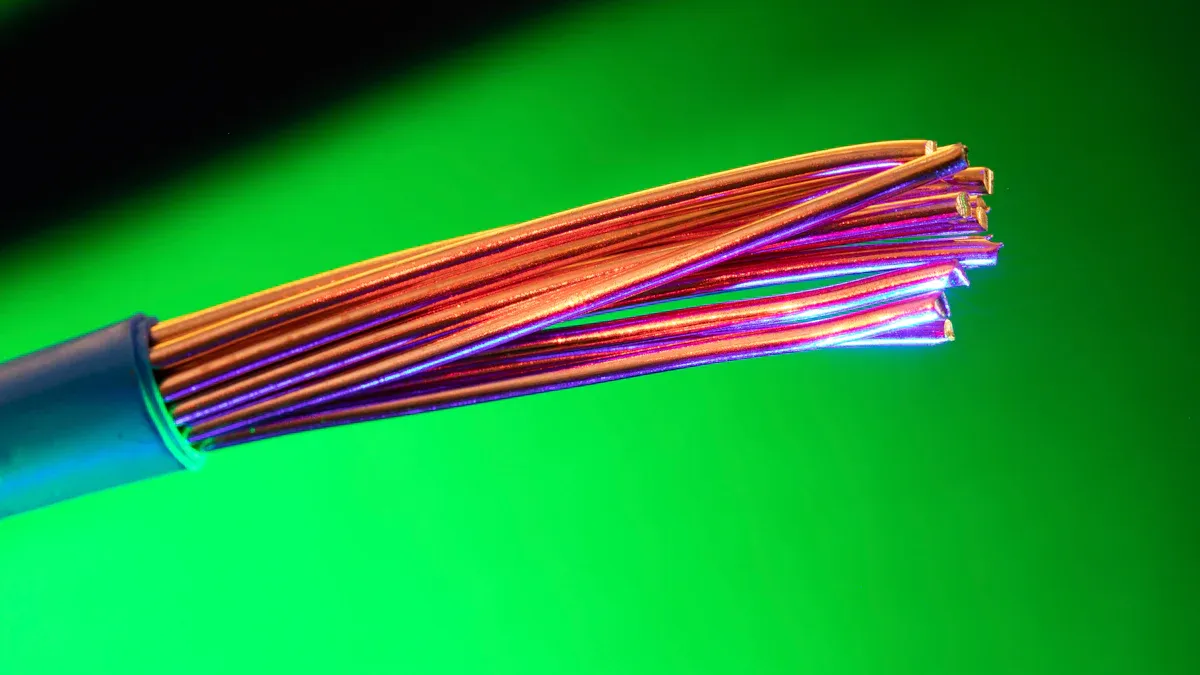
You will find copper clad steel wire in many important roles today. This wire combines high electrical conductivity with the strength of steel and resists corrosion. You see it used in telecommunications, electrical grounding, utility tracing, and many industrial settings. The table below shows how it works in each area:
| Application Area | Description |
|---|---|
| Telecommunications | Used in coaxial cables for internet, TV, and phones; enhances signal travel and reduces loss. |
| Electrical Grounding | Safely handles electrical surges, protecting buildings and devices; strong for tough environments. |
| Utility Tracing | Helps locate underground pipes and cables; accurately sends signals while withstanding soil pressure. |
| Industrial Applications | Used in oil and gas for grounding and cathodic protection; protects pipelines from damage. |
| Renewable Energy Systems | Supports and grounds solar farms and wind turbines; rust-resistant for offshore applications. |
| Railways | Ensures strong electrical connections for signaling and grounding; handles vibrations and loads. |
You might notice that the telecommunications sector alone makes up 36.1% of the U.S. market share for this wire. When you need a material that balances performance and durability, copper clad steel wire stands out as a smart choice.
Key Takeaways
Copper clad steel wire combines the electrical conductivity of copper with the strength of steel, making it ideal for various applications.
This wire is cost-effective, using less copper than pure copper wire, which helps reduce expenses and theft risks.
Copper clad steel wire offers excellent durability and corrosion resistance, ensuring long-lasting performance in harsh environments.
It is widely used in telecommunications, electrical grounding, utility tracing, and railways, providing reliable signal transmission and safety.
Always match the wire type to your project's specific needs and installation environment for optimal results.
Definition
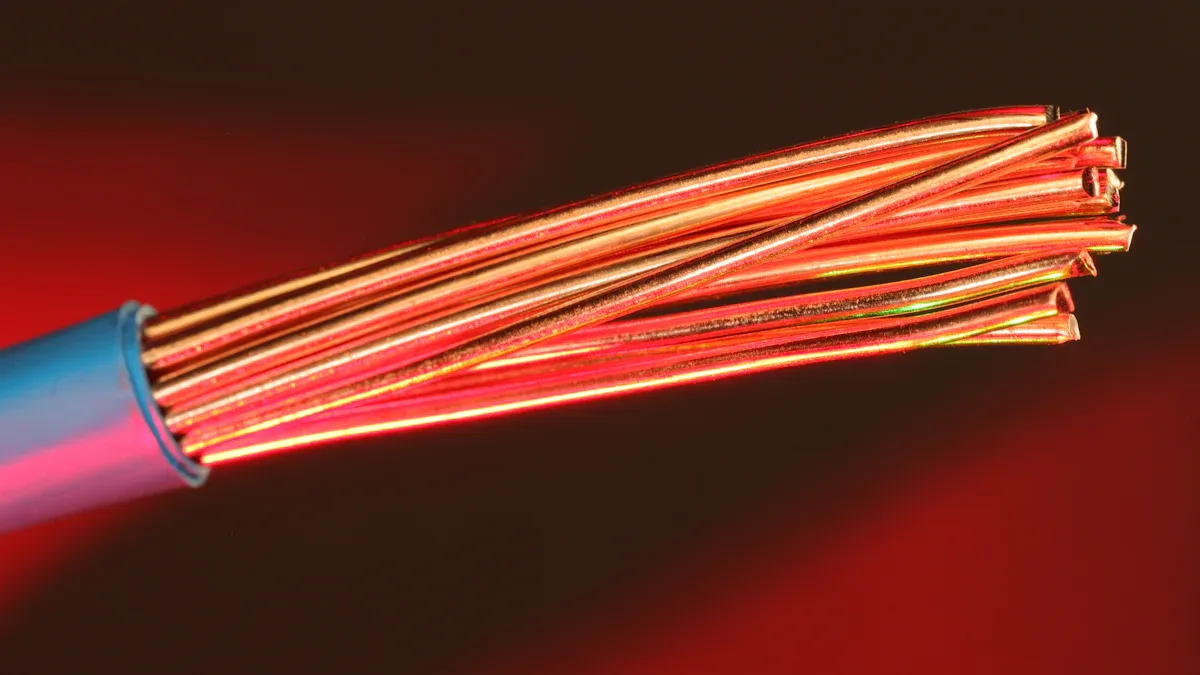
You might wonder what makes copper clad steel wire special. This wire combines the best features of copper and steel. You get the electrical properties of copper and the mechanical strength of steel in one product. Many industries use this wire for buried ground grid systems, overhead ground wires, and messenger wires.
Here are some important points about its definition:
You find copper clad steel wire made with a steel core and a layer of copper bonded to the outside.
The wire often uses a concentric lay-stranded design, which means the strands wrap around each other for extra strength.
Manufacturers follow strict standards, such as ASTM B193, B227, B228, B258, and B910, to make sure the wire meets quality and safety requirements.
You can choose from different types, including Dead Soft Annealed Copper Clad Steel, which is flexible and easy to work with.
Composition
The composition of copper clad steel wire gives it unique properties. You see a steel core at the center, which provides strength. Around this core, there is a layer of oxygen-free copper. This copper layer allows the wire to carry electricity well.
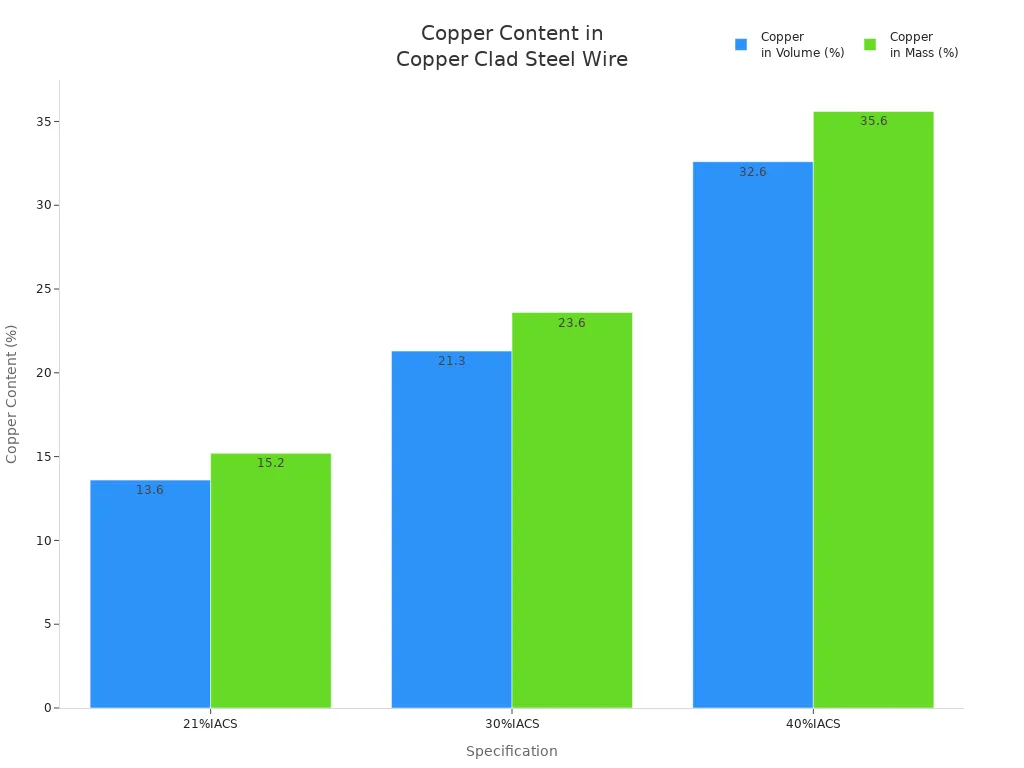
You can find different types of copper clad steel wire based on how much copper they contain. The table below shows the copper content for common specifications:
| Specification | Copper in Volume (%) | Copper in Mass (%) |
|---|---|---|
| 21%IACS | 13.60 | 15.20 |
| 30%IACS | 21.30 | 23.60 |
| 40%IACS | 32.60 | 35.60 |
The copper layer thickness also varies. Some wires have a minimum copper thickness of 1.5 mm, while others go up to 5.0 mm. Most products have a copper layer of at least 0.25 mm.
You can see the differences in copper content in the chart below:
This combination of materials lets you use copper clad steel wire in places where you need both strength and good electrical performance.
Copper clad steel wire vs. copper wire
Cost and Theft
You might wonder how copper clad steel wire compares to pure copper wire when it comes to cost and theft. Copper prices often rise, making copper wire expensive for large projects. Copper clad steel wire offers a more affordable option because it uses less copper. This choice helps you save money, especially for long runs or big installations.
Theft is a major concern in the utility and construction sectors. Thieves target copper wire because of its high resale value. Copper clad steel wire is less attractive to thieves since it contains less copper and is harder to sell. You can see the difference in theft rates in the table below:
| Material | Theft Rate Comparison |
|---|---|
| Copper | 48% higher theft rate |
| Copper clad steel wire | 48% lower theft rate |
Choosing copper clad steel wire helps you reduce losses and lower replacement costs.
Conductivity
You may ask about the electrical performance of copper clad steel wire compared to pure copper wire. Copper wire is known for its excellent conductivity. Copper clad steel wire provides good conductivity, but it does not match pure copper. For most symmetrical current applications, you can expect:
The electrical performance of copper clad steel wire is about 40% that of pure copper.
This level of conductivity works well for many uses, including grounding and signal transmission. You get reliable performance for most utility and communication needs.
Durability
Durability matters when you install wire in tough environments. Copper clad steel wire stands out for its strength and resistance to damage. You will notice several benefits:
Flexibility and feel match copper wire, making installation easy.
The cold rolling process prevents flaking and cracking, so the wire stays strong.
Protective coatings guard against breakage and abrasion.
The steel core resists corrosion, even in harsh conditions.
The break-load is 43% higher than conventional copper wire, giving you greater strength.
These features make copper clad steel wire a smart choice for projects where you need both durability and reliability.
Applications of copper clad steel wire
Grounding
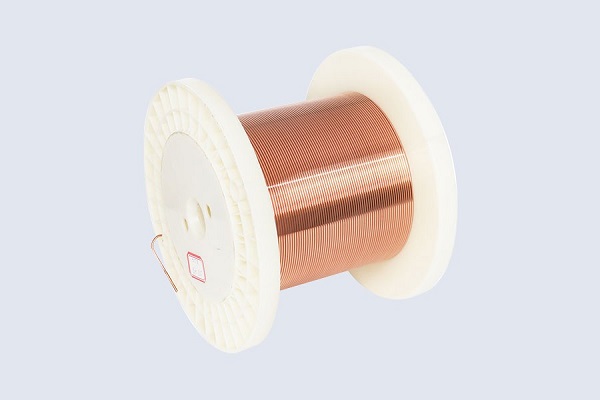
You often need strong and reliable grounding systems to protect buildings and equipment from electrical surges. Copper clad steel wire gives you both the conductivity of copper and the strength of steel. This makes it a top choice for grounding in power stations, substations, and large buildings. The copper layer resists corrosion, so the wire lasts longer even in wet or harsh environments. You can trust this wire to handle high currents during lightning strikes or faults.
Many projects require you to follow strict standards for safety and quality. Here is a table showing some of the main certifications and standards for copper clad steel wire in grounding:
| Certification/Standard | Description |
|---|---|
| ISO9001 | Quality management standard |
| CE | European conformity mark |
| VDE | German standards for electrical engineering |
| SABS | South African Bureau of Standards |
| ASTM A460 | Standard specification for copper clad steel wire |
Telecommunications
You find copper clad steel wire in many parts of the telecommunications industry. It works well in coaxial cables, drop wires, and antennas for internet, TV, and phone lines. The wire offers good conductivity and high strength, so it can support long cable runs without breaking. You get reliable signal transmission, even in areas with strong winds or heavy ice.
Here is a table comparing copper clad steel wire to pure copper in telecommunications:
| Property | Copper Clad Steel Wire (CCS) | Pure Copper |
|---|---|---|
| Conductivity (IACS) | 30--40% | 100% |
| Thickness for optimal performance | >0.25mm | N/A |
| Signal Attenuation | Comparable in HF and VHF bands | N/A |
| Cost per meter | ~40% cheaper | N/A |
You benefit from the high tensile strength of copper clad steel wire, which ranges from 1,200 to 1,500 MPa. This strength helps the wire resist stretching and breaking, even across long distances. Thick copper layers protect the steel core from oxidation, so antennas and cables can last 30--50 years, even near the ocean.
Tip: When you choose copper clad steel wire with a copper layer thicker than 0.25mm, you get extra protection against rust and a longer service life.
Utility Tracing
When you need to locate underground pipes and cables, utility tracing wire helps you find them quickly and safely. Copper clad steel wire works well for this job because it carries signals over long distances and resists damage from soil and pressure. You can use it with tracing equipment to map out water, gas, or electric lines before digging.
You must follow certain technical requirements for utility tracing:
| Requirement | Details |
|---|---|
| Minimum Gauge | 18 gauge, insulated, single-conductor copper wire |
| Insulation Color for Non-Metallic Sewer Pipe | Green |
| Insulation Color for Non-Metallic Potable Water Pipe | Blue |
| Grounding Method | Attached to an approved grounding conductor at the pipe entry point |
| Tracer Box Installation | Minimum 2 feet from curb stop, with metal cover for locating |
| Wire Depth | Minimum of 2 feet deep to protect from landscaping |
| Clamp Material | Bronze or stainless steel to prevent corrosion |
You should always test the wire with low-frequency line tracing equipment before finishing a project. This ensures the wire works and helps prevent costly mistakes.
Tracer Wire
Tracer wire helps you track and locate underground utilities like gas, water, and sewer lines. Copper clad steel wire is a popular choice for tracer wire because it combines strength and conductivity. You can use it in open trenches, for directional drilling, or for pipe bursting.
Here are some options and accessories you might use:
Copperhead #12 high strength for open trench
Copperhead extra high strength for directional drilling or boring
Copperhead SoloShot extreme strength 7 x 7 stranded for pipe bursting or slip lining
Three-way locking connectors and direct bury lugs for secure connections
Drive-in magnesium anodes for grounding
You should install tracer wire at least 2 feet deep and use bronze or stainless steel clamps to prevent corrosion. Proper installation helps you locate pipes easily and keeps the wire working for many years.
Railways
You see copper clad steel wire used in railway signaling and grounding systems. The copper layer protects the steel core from rust, so the wire lasts longer and needs less maintenance. The steel core gives the wire high mechanical strength, so it resists bending and breaking from train vibrations or heavy loads.
You save money by using copper clad steel wire in railways. It costs less than solid copper rods but still gives you similar conductivity. The wire’s durability means you spend less on repairs and replacements over time.
Note: Copper clad steel wire helps railways stay safe and reliable, even in tough weather or soil conditions.
Benefits of copper clad steel wire
Strength
You need wire that can handle tough jobs. Copper clad steel wire gives you impressive strength. The steel core supports heavy loads and resists breaking. You can rely on this wire for projects that need extra durability. For example:
The minimum breaking strength reaches 720 pounds.
This strength means you can use it in places with high tension or stress.
The wire stays strong even when you pull or bend it.
You will notice that this strength helps in both overhead and underground installations. You get peace of mind knowing your wire will not snap easily.
Corrosion Resistance
You want your wire to last a long time, even in wet or harsh environments. Copper clad steel wire offers excellent corrosion resistance. The copper layer protects the steel core from rust and damage. This feature makes the wire a smart choice for outdoor and underground use.
Tip: Use copper clad steel wire in areas with moisture or chemicals. The copper coating keeps the wire safe from corrosion, so you do not have to replace it often.
You will see less maintenance and fewer repairs over the years. This benefit saves you time and effort.
Cost-Effectiveness
You look for ways to save money on your projects. Copper clad steel wire helps you lower costs without giving up quality. The wire uses less copper, so it costs less than pure copper wire. You still get good conductivity and strength.
You spend less on materials.
You reduce the risk of theft, which saves on replacement costs.
You get a long-lasting product, so you do not need to buy new wire often.
Choosing copper clad steel wire means you get value for your money. You can finish your projects on budget and on time.
Choosing the right wire
Project Needs
You need to match the wire to your project’s demands. Start by thinking about where you will use the wire. Will you install it underground, outdoors, or in a building? Each environment has different challenges. For example, underground installations need strong wires that resist corrosion. Outdoor projects need wires that can handle weather and temperature changes.
You should also consider the electrical load. Higher currents need thicker wires with more copper. If you work on a telecommunications project, you want a wire that supports clear signals over long distances. For grounding, you need a wire that can handle sudden surges.
Here is a quick checklist to help you decide:
What is the main purpose? (Grounding, tracing, telecom, etc.)
Where will you install the wire? (Underground, overhead, inside)
What is the expected electrical load?
Do you need extra strength or flexibility?
Are there any local codes or standards to follow?
Tip: Always check your project’s technical requirements before you buy wire. This step saves time and money.
Application Tips
You can get the best results by following a few simple tips. First, measure the length you need before you start. This step helps you avoid waste. Use the right tools to cut and strip the wire. Sharp tools make clean cuts and protect the copper layer.
When you install the wire, keep it away from sharp edges or rough surfaces. These can damage the copper coating. If you work underground, use proper insulation and connectors. This practice keeps moisture out and prevents corrosion.
Here are some best practices:
Use color-coded insulation for easy identification.
Test the wire with a multimeter after installation.
Secure the wire with approved clamps or fasteners.
Follow manufacturer guidelines for bending radius.
Note: Careful installation extends the life of your copper clad steel wire and keeps your system safe.
You see copper clad steel wire used in grounding, telecommunications, utility tracing, and railways. You get strong, corrosion-resistant wire that fits many industrial needs.
Choose this wire for projects that need both strength and conductivity.
Check your project’s requirements before you buy.
Tip: Always match the wire type to your installation environment for best results.
FAQ
What tools do you need to install copper clad steel wire?
You need wire cutters, pliers, and a wire stripper. Use approved clamps for secure connections. Always follow the manufacturer’s instructions for best results.
Can you use copper clad steel wire outdoors?
Yes, you can use it outdoors. The copper layer protects the steel core from rust. This makes the wire a good choice for wet or harsh environments.
Is copper clad steel wire safe for electrical grounding?
Yes! Copper clad steel wire meets safety standards for grounding. You get strong performance and reliable protection against electrical surges.
How long does copper clad steel wire last?
You can expect copper clad steel wire to last 30--50 years. The copper coating helps prevent corrosion, so the wire stays strong for a long time.





View More(Total0)Comment lists