 E-mail: sales1@rlbcable.com
 English
 العربية
 Le français






3 Ways Conductive Polymer Compound for Cable Shielding Works
 Jul 06, 2026|
 View:233
You can find cables in many places, like homes and factories. A conductive polymer compound for cable shielding is a special cover for cables. This cover helps keep cables safe from things like electrical noise. Many companies, like Jiangsu Reliable Industry Co., Ltd., make new ways to protect your cables and keep them working well.
Key Takeaways
Conductive polymer compounds make a shield around cables. This shield blocks harmful electromagnetic interference (EMI). It helps cables work better.
These compounds control static electricity. They stop damage and keep signals clear. They let static leave the cable safely.
Conductive polymers make cables stronger. They help cables resist damage. This makes cables last longer in hard places.
Picking cables with conductive polymer shielding gives better performance. It lowers signal loss. It also makes cables more reliable in many uses.
Buy products from trusted makers. This makes sure you get good conductive polymers. Good polymers give the best protection and strength.
Conductive Layer Blocking EMI
Conductive Polymer Compound for Cable Shielding
Cables are all around us, but you might not know how they stay safe from outside electrical signals. A conductive polymer compound for cable shielding makes a special layer around the cable. This layer works like a wall. It keeps bad signals from coming in or going out. Conductive polymers can do this because they let electricity move through them easily. They use things like carbon black or carbon nanotubes. These fillers help the compound get the right amount of conductivity. When you use a conductive polymer compound for cable shielding, you make a shield that stops electromagnetic noise.
Here are some important properties that make conductive polymers work so well:
Property | Value/Description |
|---|---|
Surface Resistivity | 100–1100 Ω/sq, great for EMI protection |
Percolation Threshold | 5–15 wt% for nanotubes, 20–30 wt% for carbon black |
Volume Resistivity | As low as 10⁻² to 10⁻⁴ Ω·cm |
Shielding Effectiveness (SE) | 60–80 dB across 0.5–2.0 GHz, similar to metal shields |
Shielding Mechanism | Reflection, absorption, and internal reflections |
Fiber Length Influence | Longer fibers absorb more, shorter fibers help with percolation |
Hybrid Filler Systems | Optimize shielding for different uses |
Jiangsu Reliable Industry Co., Ltd. makes semi-conductive shielding compounds with these advanced materials. Their Insulation and Sheath product line has bonded and strippable semi-conductive compounds. These compounds build a strong conductive layer. Your cables get good protection in many places.
Preventing Electromagnetic Interference
You want your cables to work well. Conductive polymers help stop electromagnetic interference in a few ways:
High conductivity in conductive polymers makes EMI shielding better.
Conductive polymers take in electromagnetic energy and change it into heat.
Many reflections inside the conductive layer make electromagnetic fields weaker.
You can count on conductive polymer compounds for cable shielding to keep your cables safe. They use conductivity and smart design to block bad signals. Your cables will work better and last longer.
Tip: If you pick cables with conductive polymer compounds, you get better performance and less signal loss.
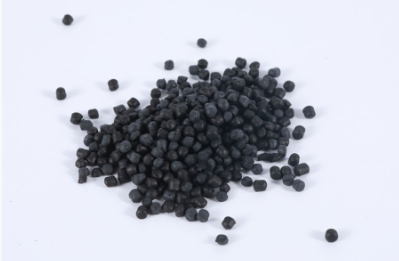
Static Dissipation with Conductive Polymers
Managing Static Charges
Static electricity is hard to see, but it can hurt cables. Conductive polymers help get rid of these hidden charges. They let static electricity leave before it causes harm. This keeps cables safe from sparks and damage.
Here is how conductive polymers help with static charges:
Special layers in the cable let static electricity escape.
These layers stop static from building up and causing trouble.
Grounding wires and shields move extra charges away from the cable.
The cable materials drain charges well because they are naturally lossy.
Cables with a conductive polymer compound are safer and work better. Static does not stay on the cable. It moves through the conductive layer and goes away.
Reducing Signal Disruption
Static charges can make cable signals weak or noisy. Conductive polymers help stop this from happening. They move static away from the cable’s center. This keeps the signal clear and strong.
Conductive polymers are better than old antistatic materials:
Their resistivity stays the same for a long time.
Additives do not leak out or move away.
The surface stays even, so the cable works well for years.
You can shape these materials easily when making cables.
New materials make conductive polymers work even better. Carbon black and graphene are two good examples. Graphene lets you use less material but still get good conductivity. You only need a little graphene to make the cable work well. Carbon black is also important. It helps protect electronics from static. You can find carbon black in antistatic bags and trays.
When you use conductive polymers with high conductivity, your cables are safe from static. Your signals stay strong. These cables last longer and work well in many places.
Physical Shield and Durability
Barrier Against External Interference
Cables need to be safe in hard places. Conductive polymers give cables a tough shield. This shield stops many outside problems. A conductive polymer compound for cable shielding keeps cables safe from conduction and radiation.
Conduction happens when two circuits touch and share signals.
Radiation comes from moving wires or magnets.
Conductive polymers make a barrier that blocks these problems. Tests show PVDF/rGO and PANI/Graphene work well for shielding. These materials can block over 40 dB of electromagnetic interference at many frequencies. You find these results in aerospace, military, and telecom fields. The high conductivity of these compounds stops bad signals before they reach the cable.
Jiangsu Reliable Industry Co., Ltd. has Insulation and Sheath products for strong outer shielding. These use advanced conductive polymers to protect your cables more.
Enhancing Cable Strength
Cables should last a long time. Conductive polymers do more than block signals. They also make cables stronger and tougher. These materials add a layer that stands up to damage.
Here are ways conductive polymers help cables last:
High dielectric strength keeps cables safe from electrical breakdown.
Good elongation lets cables stretch without breaking.
Strong abrasion resistance protects cables from cuts and scrapes.
You get these benefits because conductive polymers are flexible and conduct electricity. The outer layer stays strong, even in tough places. The shield’s conductivity helps cables work well, and the strength means they last longer. If you pick cables with a conductive polymer outer layer, you get both protection and strength.
Tip: Choose cables with advanced conductive polymer shielding for good performance and long life.
You learned that conductive polymer compounds protect cables in three main ways. They block EMI, get rid of static, and make a tough barrier. These compounds help cables last longer and work better.
Benefit | Description |
|---|---|
EMI/RFI Shielding | Stops bad signals so your data stays safe. |
Weight Reduction | Makes cables lighter and easier to move. |
Durability | Handles rough places and lasts a long time. |
Pick products from trusted companies for the best results.
Find cables with strong conductivity and flexible design.
FAQ
What is a conductive polymer compound for cable shielding?
A conductive polymer compound helps protect cables from electrical noise. This material makes a shield around the cable. It keeps signals safe and helps cables last longer.
How does cable shielding block electromagnetic interference?
Cable shielding puts a conductive layer on the cable. This layer stops unwanted signals from getting in or out. You get better cable performance and less signal loss.
Why should you choose cables with static dissipation features?
Static dissipation keeps cables safe from sparks and harm. It helps stop signal problems. Your cables work well and stay dependable.
Which materials help make cable shielding strong?
Manufacturers use carbon black, graphene, and special polymers. These materials give cables strength and let them bend. You get cables that do not break easily and last longer.
I want to comment
Recent News
1.Shipment of Semi Conductive Conductor Shielding Material for Power Cables
2023-12-062.Crosslinked Insulating Shielding Polyethylene Material for Power Cables
2024-01-183.Copper Tapes for Cables and Wire Shielding
2024-05-134.Peroxide Interconnects for Insulation and Detachable Semi-Conductive Shielding Material
2025-03-215.Semi-conductive Shielding Compound
2022-08-186.Medium Voltage Semi-conductive Outer Shielding Compound
2022-01-247.Inner Shielding Material for XLPE Insulated Cables
2022-10-178.Copper Tapes for Cables and Wire Shielding
2024-09-25





View More(Total0)Comment lists