 E-mail: sales1@rlbcable.com
 English
 العربية
 Le français






How to Choose the Right XLPE Insulation Compound for Your 35 kV Power Cable Project
 Jul 14, 2026|
 View:220
When you choose the right XLPE insulation for your 35 kV power cable project, you are making a sound decision for safety and performance. The insulation you select must withstand high voltage, heat, and harsh outdoor conditions. By choosing the right XLPE insulation, your cables can enjoy a longer lifespan and enhanced efficiency. Numerous studies indicate that the quality of insulation significantly impacts the longevity and safety of cables. For instance, the following table illustrates how XLPE insulation compares to other types:
Property | XLPE | PVC |
|---|---|---|
Continuous Operating Temp | Up to 90°C | Up to 70°C |
Short-term Temp Resistance | Up to 250°C | Not specified |
Moisture Absorption Rate | < 0.01% | 0.1-0.5% |
Expected Life | Over 40 years | 25-30 years |
Ampacity | Higher due to thermal stability | Lower, prone to faults |
It is essential to always choose the right XLPE insulation that meets your project’s specific requirements. Quality insulation protects your system from heat and moisture. By utilizing the right XLPE insulation, you enhance the safety and reliability of your power network. Employing advanced insulation from reputable brands can significantly contribute to the success of your project.
Key Takeaways
Pick XLPE insulation for your 35 kV cables to keep them safe and working well in places with high voltage.
Think about things like dielectric strength and heat resistance to help the cables last longer.
Look for environmental and chemical resistance to keep cables safe from tough conditions and make them last longer.
Make sure the insulation follows industry standards and has the right certifications so it is safe and works well.
Choose a trusted manufacturer to get good materials and help for your cable project.
Key Factors to Choose the Right XLPE Insulation
When you pick insulation for your 35 kV cable, you need to think about a few important things. These things help you find the best cross-linked polyethylene for your project. You want your cable to last a long time, stay safe, and work well where it is used. Let’s see what main properties and benefits you should look for.
Electrical and Mechanical Properties
You should check the electrical properties of cross-linked polyethylene before picking it. XLPE can handle more heat and lets more electricity flow through. It also helps your cable last longer. Here are some important properties and benefits to look for:
High dielectric strength
Low dielectric loss
Great heat resistance
Property | Description |
|---|---|
Dielectric Strength | Higher than many other plastics, so it is safe for high-voltage use. |
Dielectric Loss | Low dielectric loss means power moves well with little energy wasted. |
Heat Resistance | Can work at about 95°C, so it is reliable in tough places. |
You also need to think about how strong the insulation is. Cross-linked polyethylene is tough and strong. Its special structure makes it hard to pull apart and helps it take hits. This is good for cables that go far or face bad weather. You should also check the conductor material, size, core, screening, armor, and sheath. All these parts help your cable work safely and well.
Tip: Always look at the specs for how much current it can carry and how strong it is. This helps you stop problems when you put in or use the cable.
Environmental and Chemical Resistance
You must think about where you will put your cable. Cross-linked polyethylene insulation can stand up to chemicals, oils, and solvents. This matters if your cable is in a factory or outside. XLPE also keeps water out, so your cable lasts longer in wet places. This means your cable will not swell, crack, or get weak from harsh chemicals or water. These properties and benefits make XLPE a smart pick for many places.
XLPE insulation keeps your cable safe from rain, oil, and chemicals.
It keeps your cable strong even in hard outdoor or factory spots.
You get better use and fewer fixes over time.
Standards and Compliance
You need to make sure your cross-linked polyethylene insulation has the right certifications and standards. These show your cable is safe and works well. Here is a table of important standards for 35 kV cables:
Standard | Scope |
|---|---|
IEC 60502-1 | Power cables 0.6/1kV |
IEC 60502-2 | Power cables 1kV to 36kV |
GB/T 12706.1 | Chinese national standard, LV (same as IEC 60502-1) |
GB/T 12706.2 | Chinese national standard, MV |
BS 7870 | UK standard for distribution cables |
BS 5467 | Armored cables for voltages up to 3.3kV |
NFC 33-226 | French standard (used in West Africa) |
SANS 1507 | South African standard |
ASTM / UL | North American market certifications |
You should always check your project’s specs and make sure the insulation meets these standards. This helps you avoid safety problems and makes sure your cable passes checks.
Note: Certifications are not just papers. They prove your cable meets world safety and quality rules.
When you think about all these things, you can pick the best XLPE insulation for your 35 kV cable. You get better use, longer life, and feel good knowing your cable meets all the right needs.
XLPE in Medium Voltage Power Cables
Why XLPE for 35 kV Applications
You need good insulation for your medium voltage cable project. XLPE is the best choice for 35 kV cables. It gives you strong performance and protects your cables for a long time. XLPE insulated power cables are better than other materials like EPR. The table below shows the main reasons why:
Property | Description |
|---|---|
Temperature Resistance | XLPE works from -40°C to +90°C. It can handle up to 130°C for short times. |
Chemical Resistance | XLPE stands up to oils, solvents, and chemicals. It does not make harmful by-products. |
Mechanical Strength | XLPE insulated power cables are strong and hard to break. |
Fire Resistance | XLPE makes little smoke and no halogen, so it is safer in fires. |
Dielectric Strength | XLPE insulated power cables carry more current with less loss. |
Service Life | XLPE insulated power cables last 40 to 60 years. This gives you good value. |
XLPE insulated power cables work well in tough places. The insulation keeps your cable safe from heat, water, and chemicals. You can feel sure your cable will last and do its job.
Tip: If you pick xlpe insulated power cables, you help stop sudden failures and expensive repairs.
XLPE Insulated Power Cables: Advantages
XLPE insulated power cables have many good points for medium voltage jobs. They have strong dielectric strength, so they handle high electrical stress. XLPE insulation stays stable even when it gets hot. The cross-linked structure of xlpe makes your cable tough and hard to bend out of shape.
XLPE insulated power cables keep out water, which is important for cables underground or underwater.
The insulation does not melt or drip when it gets hot, so your cable stays safe.
XLPE insulated power cables stand up to oils, solvents, and harsh chemicals.
You get steady performance in wet or rough places.
XLPE insulated power cables do better than PVC and other materials in keeping out water and handling heat.
The insulation keeps its shape and strength under stress, so breakdowns are less likely.
XLPE insulated power cables last longer, so you do not have to fix them as often.
You can use xlpe insulated power cables to send power in hard conditions. The insulation helps you trust that your cable will work and last.
Note: XLPE insulated power cables are a smart pick for projects that need strong, safe, and efficient cables.
Matching XLPE Compounds to Project Needs
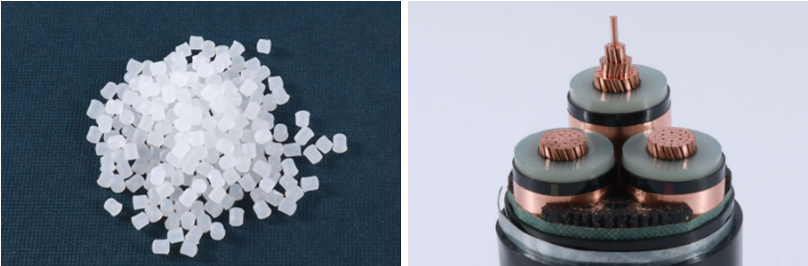
When you pick an XLPE compound for your 35 kV power cable, you need to make sure it fits your project. Every project is not the same. You have to look at where you will put the cable and what your system needs. Picking the right cable helps you get good safety and strong performance.
Assessing Project Requirements
First, you should look at what your project needs. You must know what your cable will deal with each day. This helps you choose the best XLPE insulation and get the most out of your cable. Here is a table that shows what to check:
Project-Specific Factor | Description |
|---|---|
Voltage Ratings | Makes sure the cable matches the voltage so you do not get the wrong insulation level. |
Temperature Limits | The cable should not get hotter than 90°C when used all the time. |
Installation Environments | Different places (inside, outside, underground) need special care for water, pressure, and fixing. |
Fire Safety Requirements | The insulation and cover must meet fire rules, like not burning fast or making lots of smoke. |
You need to check the voltage rating for your cable. If you pick the wrong one, your cable might break. Look at the temperature limit. Your cable should not go over 90°C when used normally. Think about where you will put the cable. Some places need more protection from water or heavy things. Fire safety is important too. Some jobs need insulation that does not burn fast or make much smoke.
Tip: Write down what your project needs before you pick a cable. This helps you compare XLPE compounds and find the best one.
Installation Environment Considerations
Where you put your cable changes what XLPE insulation you need. Some cables go under the ground. Others are outside or inside buildings. Each place has its own problems. You want your cable to last and work well.
Cables underground need XLPE that keeps water out and stands up to dirt pressing on it.
Cables outside face sun, rain, and hot or cold weather. You need insulation that can handle all kinds of weather.
Cables inside may need extra fire safety. Some buildings have strict rules about smoke and fire.
If the voltage changes a lot, your cable can get stressed. Good XLPE insulation helps your cable handle these changes without breaking. Picking the right cable means you look at all these things. You want your cable to work well where you put it and fit your project.
Note: Always ask your supplier which XLPE compound is best for your job. They can help you match the insulation to your needs.
Balancing Cost and Performance
You want your cable to last a long time and work well. But you also need to think about how much it costs. Some XLPE compounds cost more but work better. Others are cheaper but might need more repairs later.
Here is a table to help you compare:
Insulation Type | Cost per kg | Benefits |
|---|---|---|
XLPO | 10–30% more expensive than XLPE | Needs less fixing and has fewer fire problems |
XLPE | Costs less, easy to get, and made faster | Might need more repairs for the cover part |
When you pick a cable, you have to balance cost and how well it works. Think about what is most important for your project. Some jobs need the best cable, even if it costs more. Others need to save money but still be safe.
Different power systems and places care about different things in this balance.
You need to look at how well the cable works, where you will put it, how much it costs, and how long it will last.
Picking the right cable means you find the best mix for your project.
Tip: Buying good XLPE insulation can save you money later. You will fix your cable less and it will last longer.
Matching XLPE compounds to your project helps you pick the best cable. Your cable will work well, last a long time, and not cost too much. Always check what your project needs, where you will put the cable, and how to balance cost and performance.
Evaluating Suppliers and Product Quality
Choosing Reliable Brands
When you pick an xlpe cable manufacturer for your 35 kV project, you want to trust their history and skills. A good manufacturer gives you more than just cables. You get help, clear papers, and answers to your questions. Look for brands that follow world rules like IEC 60502 or IEEE. These brands often have ISO 9001 certification, which means they follow strict quality rules.
Here are some things you should expect from a good xlpe cable manufacturer:
Feature | Description |
|---|---|
Mechanical Properties | XLPE gives strong mechanical properties for durability. |
Thermal Properties | XLPE works at high temperatures, up to 90°C. |
Deterioration | Good brands test for long-term reliability under stress. |
Good brands offer:
90°C continuous operating temperature
250°C short circuit withstand
Excellent dielectric strength
Low dielectric loss
Resistance to water treeing
Tip: Always check if the manufacturer gives you technical help and clear papers about their products. This helps you know the product quality and reliability before you buy.
Quality Assurance and Testing
You need to know your xlpe insulation will work well for many years. Quality checks start with tests on raw materials. The manufacturer checks electrical conductivity, strength, and insulation. During making, process checks keep the product quality high. Before shipping, finished product tests make sure the cable is safe and reliable.
Quality Assurance Process | Description |
|---|---|
Raw Material Test | Tests for electrical and mechanical properties. |
Process Inspection | Checks each step for uniformity and quality. |
Finished Product Test | Final tests for safety and performance. |
Manufacturers also use special tests to check xlpe insulation:
Testing Method | Purpose |
|---|---|
Mechanical Performance Testing | Checks durability and flexibility. |
Aging and Long-Term Performance Testing | Tests stability over time and in tough environments. |
Fire Safety Performance Testing | Makes sure the cable is safe in fire situations. |
Environmental Adaptability Testing | Checks resistance to weather and chemicals. |
Post-Installation Field Testing | Confirms quality after installation. |
Note: Quality testing helps your cable last longer and stops expensive failures.
Jiangsu Reliable Industry Co., Ltd. Solutions
Jiangsu Reliable Industry Co., Ltd. is a top xlpe cable manufacturer. They have over 20 years of experience and serve clients in more than 20 countries. Their Insulation and Sheath product line uses advanced xlpe compounds and special additives. These new ideas make your cables work better and last longer.
Aspect | Details |
|---|---|
Company History | Over 20 years in global wire and cable solutions. |
Main Product Lines | Wire and cable materials, production equipment. |
Key Materials | 99.99% oxygen-free copper, PVC, low-smoke halogen-free materials. |
Sustainability | Eco-friendly materials, solar-powered facilities, high recycling rates. |
Global Reach | Clients in Saudi Arabia, Australia, and more. |
Jiangsu Reliable Industry Co., Ltd. cares about quality and long-lasting cables. Their xlpe insulation compounds go through strict quality checks and tests. You can trust this manufacturer to give you safe and strong cables for your project.
Picking a good manufacturer like Jiangsu Reliable Industry Co., Ltd. helps you feel sure about the quality and reliability of your xlpe cable project.
You can pick the right xlpe insulation for your 35 kV cable project by doing a few simple things. First, check if the place is wet, has chemicals, or gets hot or cold. Next, look at how much electricity the cable needs to handle. Then, think about how you will put the cable in. You need xlpe that matches your project. Find xlpe that stops water, stays strong in heat, and keeps safe from fire. Many projects use xlpe because it has high dielectric strength and keeps cables safe in tough spots. Advanced xlpe from trusted brands gives better safety, strong fire resistance, and makes installation easier.
Benefit | Description |
|---|---|
Improved Safety | Better electrical and mechanical properties help keep things safe and stop failures. |
Fire Resistance | Great fire resistance stops fire from spreading if there is a problem. |
Environmental Protection | Protects from water, chemicals, and other things in the environment. |
Flexibility in Installation | More flexible than regular cables, so it is easier to handle and costs less to put in. |
Reliability in Harsh Conditions | Works well in many places, like underground or outside. |
You should look at xlpe solutions from good brands like Jiangsu Reliable Industry Co., Ltd. If you are not sure, ask experts or suppliers. They can help you find the best xlpe for your project.
FAQ
What does xlpe mean in power cables?
You see xlpe in many power cables. It stands for cross-linked polyethylene. This material gives your cable strong insulation. It helps your cable last longer and work better in tough places.
Why should you choose xlpe for 35 kV cables?
You pick xlpe for 35 kV cables because it handles high voltage well. It resists heat, water, and chemicals. You get safe and reliable cables for your project. Many experts trust xlpe for medium voltage jobs.
How does xlpe improve cable safety?
You use xlpe to keep your cables safe. It stops electricity from leaking out. It also resists fire and does not make much smoke. You protect your system and people by choosing xlpe insulation.
Can xlpe cables work outdoors and underground?
You can use xlpe cables outside or under the ground. They stand up to rain, sun, and dirt. The insulation keeps water and chemicals out. You get strong cables that last in many places.
How do you know if xlpe insulation is right for your project?
You check your project needs first. Look at voltage, temperature, and where you will put the cable. If you need strong, safe, and long-lasting insulation, xlpe is a smart choice for your power cables.
I want to comment

Recent News
1.LSZH XLPE / Black Aerial Cable Insulation Raw Material Silane XLPE Compound
2023-08-112.High Quality XLPE Compound Low Voltage XLPE Cable Compound for Cable and Wire
2024-10-163.XLPE / Aerial Cable Insulation Raw Material Silane XLPE Compound
2024-04-164.LSZH XLPE / Black Aerial Cable Insulation Raw Material Silane XLPE Compound
2025-06-095.What is XLPE insulation compound and how is it used?
2026-04-286.35kV Peroxide XLPE Insulation Compound for Medium Voltage Cable (IEC 60502)
2026-05-157.Top 3 Cross Linked Polyethylene (XLPE) Compound Manufacturer Picks for 2026
2026-05-278.IEC 60502-2 Extrusion grade XLPE compound for power cables
2026-06-159.How to Choose the Right XLPE Insulation Compound for Your 35 kV Power Cable Project
2026-07-14





View More(Total0)Comment lists