 E-mail: sales1@rlbcable.com
 English
 العربية
 Le français






How to Choose a Reliable Cable Reeling Drum Manufacturer
 Aug 31, 2026|
 View:495
A poor-quality cable reeling drum can cause expensive downtime, create safety risks, and add hidden costs. You can avoid these problems with careful checking. Reliability is not a mystery. It comes from things you can check, like the quality of materials, following standards such as JB/T7600.4-2008 and DIN46395, and the manufacturer’s ability to offer custom solutions. This blog gives you a clear way to evaluate and choose a reliable manufacturer. Look at brands like RLB as an example of quality. They use high-quality steel and offer custom solutions. Always look beyond the first price. Think about the total cost over time, including warranty and support. When you choose a reliable manufacturer, you invest in long-term performance and peace of mind.
Key Takeaways
A reliable cable reeling drum helps avoid expensive downtime and safety problems.
Before buying, check material quality, certifications, and electrical specs.
Custom drums match your exact needs and stop capacity loss.
The total cost of owning something matters more than just what you pay to buy it.
Use a checklist to check quality, warranty, and safety features.
Cable Reeling Drum Reliability: Why It Matters
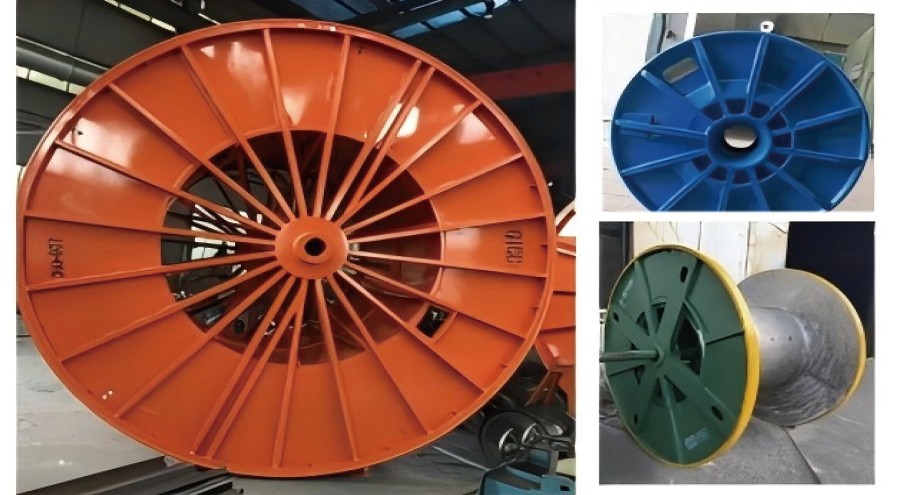
The Impact on Safety, Uptime, and Long-Term Costs
Unplanned downtime costs more than you might think. Studies show that in cable-intensive industries, an hour of downtime can cost an average of $1.7 million. Some incidents exceed $42 million. These costs include lost production, emergency repairs, and labor. But the true impact goes beyond the price tag. Poor cable management also creates safety hazards.
Common causes of failure include bending the cable beyond its recommended radius, continuous tension on vertical reels, improper installation, and exposure to harsh environments. These issues damage the internal structure of the cable. They lead to jacket abrasion, conductor elongation, and eventual breakage. In high-abuse environments, these failures happen faster. You need to verify load capacity, weather resistance, and material quality to ensure proper cable protection. Proper cable deployment ensures reliable operation and reduces hidden costs. Always check the specs of your drum against your application. This focus on quality improves workplace safety compliance and reduces risks.
Custom vs. Standard Cable Reeling Drum Solutions
Not every application needs a custom drum. Standard reels work well for infrequent deployment, short cable lengths, and flexible cables. But when you need daily deployment of 25 meters or more, or when you use stiff cables with a diameter over 10 mm, standard reels often fail. You also need a custom solution when your electrical requirements differ. This includes specific channel count, rated current, voltage level, and installation method. A power cable reel drum designed for high current applications must match these specs exactly.
A custom drum optimizes flange diameter and traverse for your specific cable dimensions. This prevents capacity loss, which can reach 30% with improper spooling. Compliance with national standards like JB/T7600.4-2008 and DIN46395 also improves product life and reliability. For example, RLB offers customized solutions that meet your exact dimensions and national standards. They use high-quality materials and rigorous testing to ensure long-term performance. When you choose a custom drum, you invest in reliable cable performance and protection. This approach reduces downtime and enhances safety.
How to Choose a Reliable Manufacturer: Key Criteria
You now know why reliability matters. The next step is learning how to choose a reliable manufacturer. You need a clear way to check them. Focus on material quality, certifications, electrical specs, and load capacity. These factors decide how well the drum works.
Verifying Material Quality and Industry Certifications
Start with materials. A low-grade steel drum will fail early. Look for high-strength steel with proof of where it came from. Check the steel surface and weld quality. A powder-coated steel drum resists rust better than painted ones. This coating protects the drum in tough conditions.
Check certifications. A reliable cable reeling drum manufacturer holds ISO 9001. They also follow standards like JB/T7600.4-2008 and DIN46395. These standards set rules for material strength, load capacity, and safety design. They also require anti-slip and anti-electricity measures. Ask for proof of certification. Never accept verbal claims.
Follow this process to verify:
Validate certifications such as ISO 9001, CE, and safety marks.
Insist on documented material traceability, including mill test certificates.
Conduct a factory audit, onsite or virtual, to inspect production and quality control.
Review test reports for similar products the manufacturer has built.
Check customer references and online reviews for reliability and after-sales support.
Assess technical documentation and design validation processes.
For example, RLB uses high-quality materials like Copper Clad Steel Wire. They also offer strong packaging like reinforced bobbins. A power cable reel drum from a trusted manufacturer uses these quality materials. These details show attention to material quality. A cable reel drum 500m long needs a drum that holds that weight without bending. The static load rating must match the cable weight. Confirm this number before buying.
Matching Electrical Specs and Load Capacity
Electrical specs matter as much as material quality. Check that the drum matches your cable specs. Verify the operating voltage. For example, sliprings should handle up to 600V AC to meet IS, BS, VDE, CSA, and NEMA specs. These standards set minimum air gaps and creepage distances. Always confirm these specs against your needs.
Consider the environmental protection rating. The slipring compartment should meet IP55 protection. This rating shows dust resistance and protection against water jets. If you skip this check, you risk moisture damage and electrical failure.
Examine the cable cross-section and current rating. The conductor size must match the load. For example, a cable of 1.5 mm² can handle 16 A at 25 meters. For longer runs, check derating tables. Overloading a cable causes overheating. You also need overload protection. Integrated bimetallic breakers stop overheating under continuous loads. The brake or lock mechanism adds another layer of control. For example, a Schneider Thorsman IMT33147 breaker cuts power above 10 A. This safety feature protects your equipment.
Think about the drum capacity. A cable reel drum 500m in length with a heavy cable needs a specific static load rating. The drum must also have a brake or lock mechanism to stop uncontrolled unwinding. An integrated brake adds control during deployment. These features ensure safe operation. A cable reel drum 500m must also match the weight and diameter of the conductor.
When you choose a reliable manufacturer, you verify all these specs. A power cable reel drum must match your cable's voltage, current, and environmental needs. RLB provides customized solutions that meet these exact specs. They test their drums for load capacity, structural integrity, and corrosion resistance before sale. This testing confirms the drum meets the required standards.
Calculating Value and Selecting a Power Cable Reel Drum Partner
Understanding Total Cost of Ownership (TCO)
The purchase price only tells part of the story. A cheap drum often costs more over time. You must look at the total cost of ownership. This includes the purchase price, maintenance, repairs, and how long the drum lasts. Think about this simple comparison. Option A costs €124 and lasts 7 years. That works out to €17.7 per year. Option B costs only €46 but lasts just 18 months. That equals €31 per year, plus labor costs for frequent replacements. The cheaper option actually costs nearly double each year.
Several factors drive these long-term costs. Purchase price matters, but so does maintenance access. Can you reach the internal parts easily? Repair availability also counts. Will the manufacturer supply replacement parts years from now? Equipment lifespan depends on the steel gauge and material quality. Operating load and environmental exposure affect how quickly parts wear. Even your maintenance practices influence the outcome. A power cable reel drum built with high-quality components needs less frequent service. This reduces your overall cost of ownership.
Testing and quality assurance also lower long-term expenses. Packaging and logistics can add 10% to 30% on top of base cable prices. Rigorous testing, including pre-shipment inspections and acceptance tests, reduces the chance of field failures. Documented test results link each reel to specific raw material lots. This traceability enables faster root-cause analysis when problems occur. It also reduces the financial impact of warranty claims. When you choose reliable manufacturer practices, you minimize damage rates and improve delivery performance. This directly lowers your total delivered cost per installed meter.
A Step-by-Step Selection Checklist for Your Procurement Process
You need a structured approach to evaluate potential partners. Use this decision checklist to guide your procurement process. It covers the critical areas that determine long-term value.
Verify the product range. A manufacturer with diverse offerings shows broader expertise. For example, RLB produces AAC, ACSR, and OPGW cables. Each type serves different needs. ACSR provides high tensile strength for long-distance lines. AAC offers high conductivity for urban applications. OPGW combines grounding with fiber optic communication. This range demonstrates the capability to handle varied project requirements.
Check the warranty terms. Reliable manufacturers stand behind their products. Some offer 5-year warranties on professional-grade reels. Look for structured after-sales support. This includes service manuals, warranty registration, return authorization processes, and technical bulletins. These features show a commitment to supporting you after the sale.
Examine the testing procedures. Ask about sampling plans and quality control methods. Reliable manufacturers use accredited laboratories for complex tests. They require certificates of test and material certificates with each shipment. They document all results and correlate them with lot numbers. They also define clear nonconformance handling procedures. These steps prevent defects and avoid field failures.
Assess customization capabilities. Your application may need specific specs. A cable reel drum 500m in length requires a particular static load rating. The drum must handle the weight of that cable without bending. Verify that the manufacturer can match your exact dimensions and electrical requirements. RLB tailors designs to meet specific overhead line characteristics. They support 8 to 148 optical fibers for smart grid applications. They also offer advanced hybrid designs with carbon fiber composite strength members.
Calculate the static load rating. This number tells you the maximum weight the drum can support. Match it against your cable weight. A cable reel drum 500m with heavy conductor needs a higher rating. Confirm this figure before you commit to a purchase.
Review the safety features. Look for overload protection and an integrated brake. These features prevent uncontrolled unwinding and overheating. They protect both your equipment and your workers. Safety compliance reduces liability and downtime.
When you follow this checklist, you move beyond price comparisons. You evaluate the true value each manufacturer offers. A power cable reel drum from a quality-focused partner delivers reliable performance over many years. The initial investment pays off through reduced downtime and lower maintenance costs. Apply this framework to your next procurement cycle. Your operations will run smoother, and your budget will thank you.
Verifiable quality and strict adherence to standards define a reliable cable reeling drum manufacturer. You also need a transparent approach to customization. This selection process is a strategic investment. It pays off through reduced downtime and lower long-term costs. Apply the checklist from this blog to your next procurement. The steps guide you through cable material verification, certification checks, and cable testing review. Manufacturers like RLB combine quality, certification, and service. These features define a partner you can trust. Your cable needs deserve this level of care. Safety improves when you choose a reliable manufacturer. Request samples or visit facilities to see the difference firsthand. The right drum protects your operations and your budget. Every cable project benefits from this careful approach.
FAQ
How do I verify a manufacturer's material quality?
Ask for mill test certificates that show the steel grade and what it is made of. Request photos of the production floor and welding checks. A trustworthy manufacturer will share these documents without any problem. You can also ask for material samples to check the surface finish and coating thickness yourself.
What standards should a cable reeling drum meet?
Look for compliance with JB/T7600.4-2008 and DIN46395. These standards cover material strength, load capacity, and safety design features. Ask the manufacturer to provide copies of their certifications. Check these documents against the issuing body's records. This step confirms the drum meets recognized quality benchmarks.
When do I need a custom cable reeling drum?
You need a custom drum when your cable is larger than standard sizes or heavier than normal limits. Daily use over 25 meters, stiff cables above 10 mm diameter, or special electrical needs all require custom solutions. A manufacturer like RLB can adjust flange diameter and traverse to fit your exact cable specifications.
How do I calculate the right load capacity?
Match the drum's static load rating against your cable's total weight. For example, a cable reel drum 500m long with heavy conductor needs a higher rating. Ask the manufacturer for their load calculation sheet. Make sure the number includes dynamic forces during deployment, not just static weight.
What does total cost of ownership include?
Total cost includes purchase price, maintenance, repairs, and lifespan. A cheaper drum may need replacement every 18 months. A quality drum lasts seven years or more. Include labor costs for each replacement. Also consider warranty coverage and after-sales support availability when comparing options.





View More(Total0)Comment lists