 E-mail: sales1@rlbcable.com
 English
 العربية
 Le français






How Wire Drawing Machines Work
 Dec 05, 2025|
 View:1399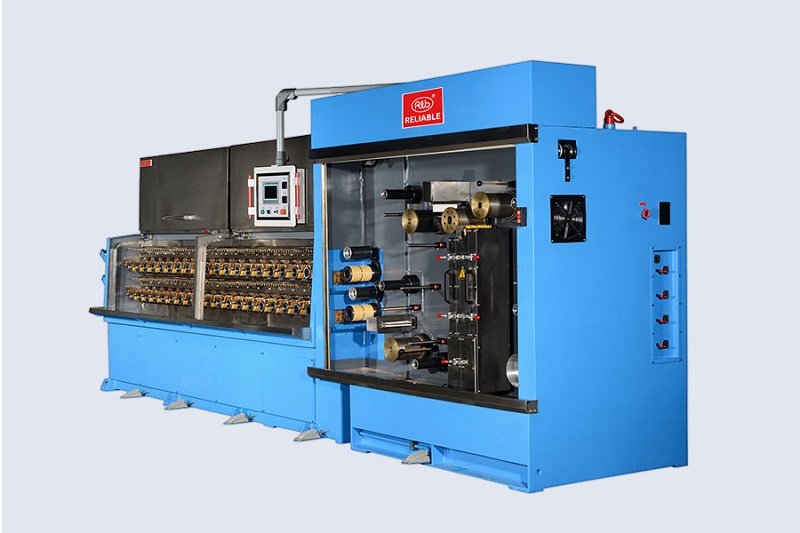
Wire drawing machines work by pulling metal wire through dies. This makes the wire thinner and stronger. The process helps make wires with exact sizes and smooth surfaces. Good companies like RLB help you get great wires for cars and electrical things.
Year | Market Size (USD Billion) | CAGR (%) |
|---|---|---|
2024 | 2.28 | 5.84 |
2025 | 2.41 | 5.84 |
Wire Drawing Machines Overview
What Is Wire Drawing?
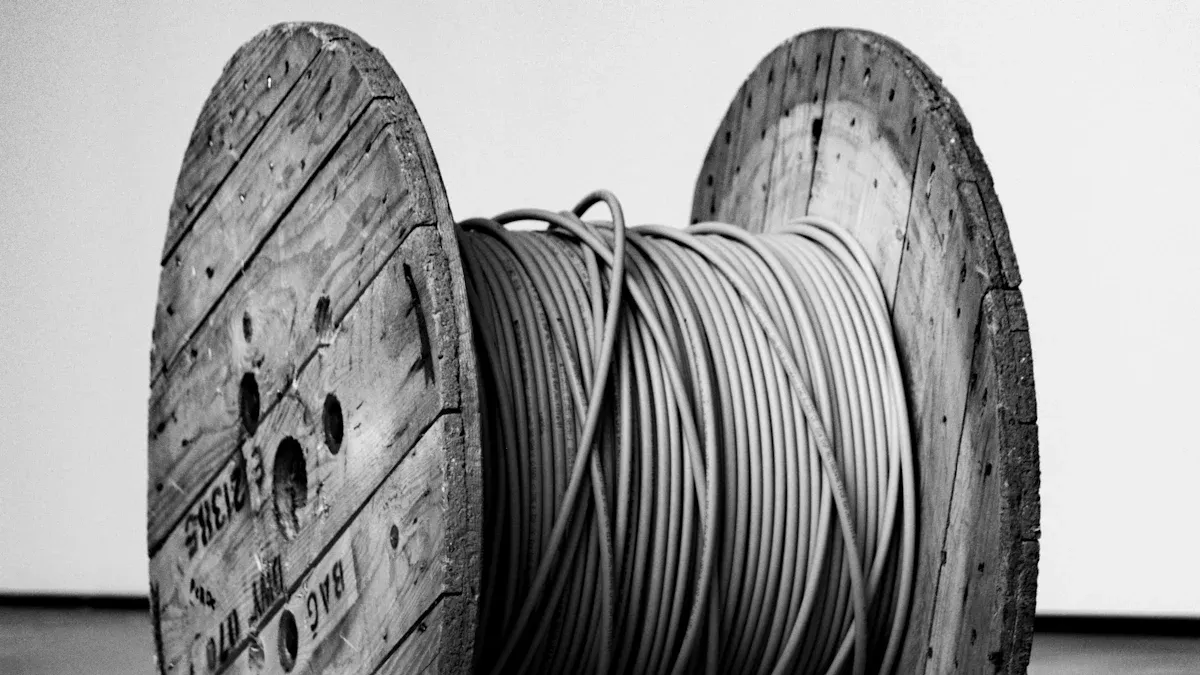
Wire drawing machines make metal wires thinner and stronger. They pull wire through a die to make it smaller. This changes the wire’s shape and makes it harder. The wire gets tighter inside as you draw it. This is called work hardening. Wire drawing is used for many things. You can use it for electrical cables and car parts.
Types of Wire Drawing Machines
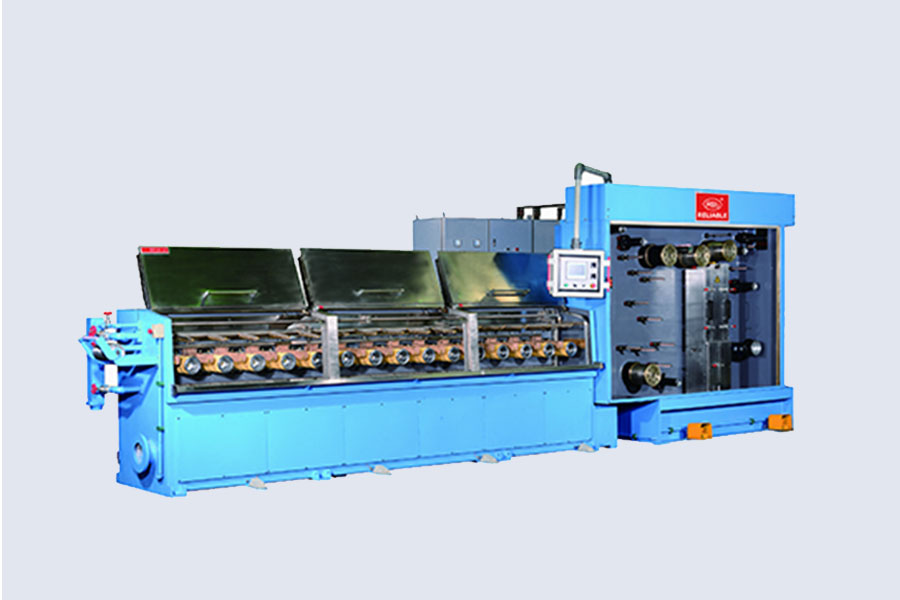
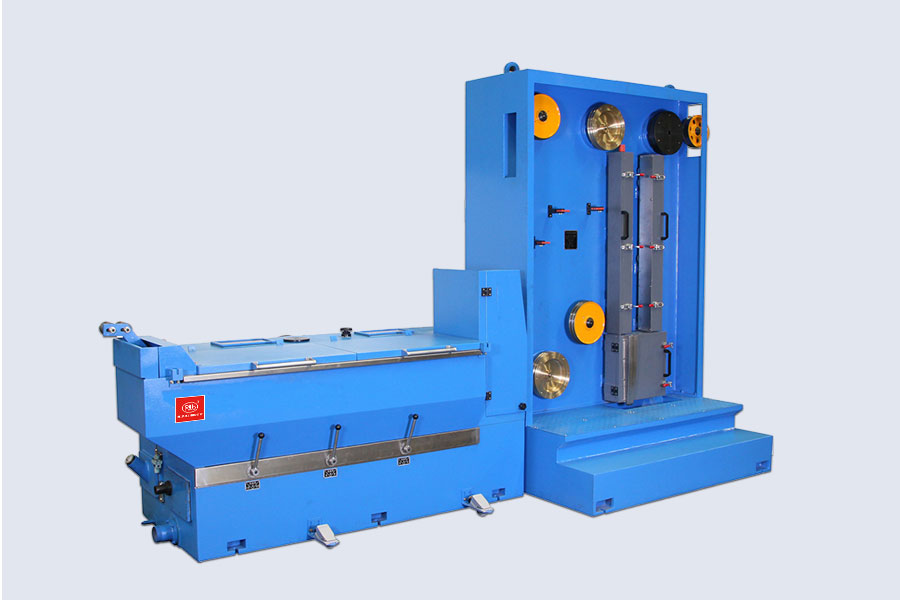
There are different wire drawing machines for different jobs. Some common types are pulley wire drawing machines, straight line wire drawing machines, tank type drawing machines, and vertical wire drawing machines. The tank type drawing machine cools the wire with water. It works well for making thin wires. Here is a table to show the differences:
Type of Machine | Description | Applications |
|---|---|---|
Pulley Wire Drawing Machine | Simple, good for medium wires | Wires 2-8mm diameter |
Straight Line Wire Drawing Machine | Fast, direct wire passage | High-speed wire drawing |
Water Tank Wire Drawing Machine | Uses water for cooling, ideal for fine wires | Wires less than 3mm |
Vertical Wire Drawing Machine | Handles thick wires | Wires over 8mm diameter |
You use tank type drawing machines for very thin wire. These wires are often needed for electronics.
Key Machine Components
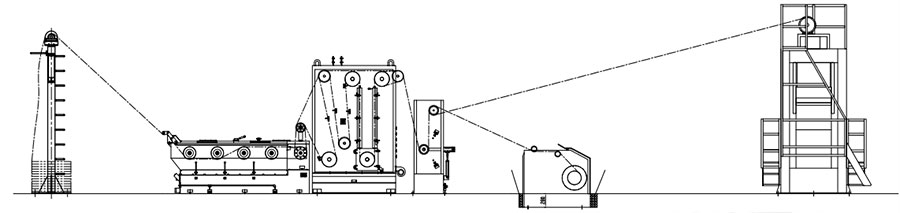
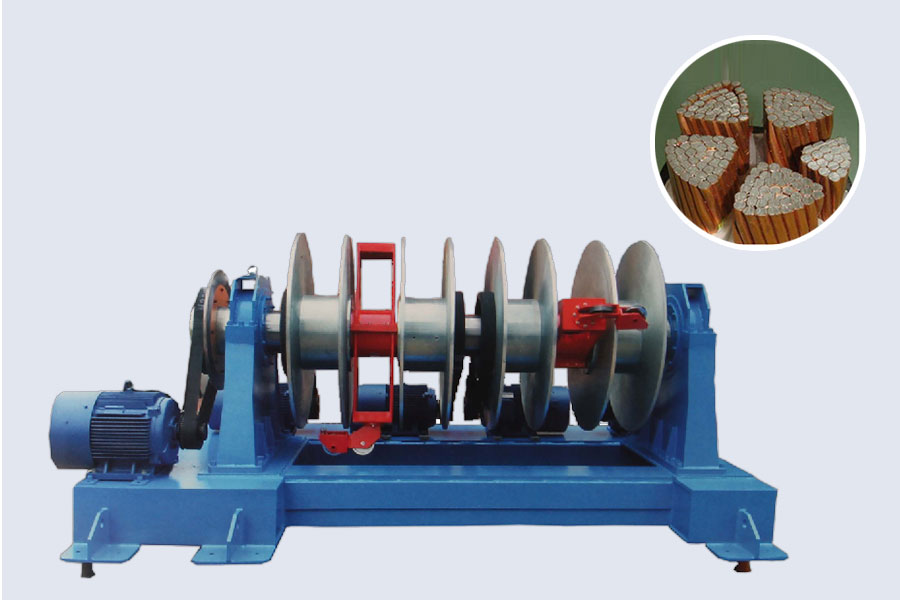
Wire drawing machines have important parts. Dies shape the wire and set its size. Gearboxes control the wire’s speed. Bearings help the machine run smoothly. Capstans pull the wire through the dies. Spools hold the finished wire safely. All these parts work together. They help you make high-quality wire.
Jiangsu Reliable Industry Co., Ltd. (Reliable) is a top wire drawing machine supplier. They use advanced technology and offer many products. They focus on making quality machines.
Wire Drawing Process Steps
Preparation and Setup
You must get ready before wire drawing starts. Prepare the metal and the wire drawing machine. This keeps you safe and helps you get good results. Here is how you set up:
Cut the metal into rods or pieces. Make sure the size matches what you want for the wire.
Pick the right drawing dies for your wire size and material. Put the die in place and make sure it is tight.
Change the tension on the wire drawing machine. Match it to the metal and the thickness you want.
Set the speed controls. Make sure they fit the metal’s ductility and how the machine works.
Run a test. Check all safety guards. Make sure the machine works well.
Always follow safety rules. Wear gloves that resist heat and safety goggles. Clean the machine to get rid of metal bits. Lubricate moving parts. Check water and air pressure. Put the wire rack and trolley in the right spot. Start the machine safely. Look at the wire for defects before you begin.
Wire Drawing Machine Operation
When you use a wire drawing machine, you follow steps to keep things running well:
Make sure you have training and certification to use the machine.
Check the air supply. Remove water from the air filter.
Put in the drawing belt. Lubricate all needed parts.
Start the machine. Listen and watch for strange sounds or movements.
Do not start the dust fan at the same time as the machine.
Put workpieces on supports. Do not put them right on the conveyor belt.
Change the pressure. Keep it in the safe range.
If you see anything odd, stop the machine right away.
Turn off the main power when you do maintenance or leave the machine.
Read all technical data before you start. This helps you avoid mistakes.
You may have problems during wire drawing. Here is a table with common problems and how to fix them:
Challenge | Causes | Solutions |
|---|---|---|
Wire Breakage | Poor lubrication, bad die setup | Lubricate, align dies |
Surface Imperfections | Worn dies, dirt, bad tension | Replace dies, clean, monitor |
Drawbench Issues | Overload, wear, wrong settings | Avoid overload, maintain, train |
Machinery Vibration | Loose parts, misalignment | Tighten, check alignment |
Reliable uses advanced diameter-control systems and high-quality drawing dies. These help you get exact wire sizes and waste less. Their machines have good tension and speed controls. This helps you make wire with steady quality.
Annealing and Finishing
After drawing the wire, you often need to anneal it. Annealing uses heat to make the wire softer and easier to bend. This step lowers hardness, makes the wire more flexible, and removes stress inside. It helps the wire bend and twist without breaking. Annealing changes the metal’s grain structure. This makes the wire more even and strong.
Finishing steps can include:
Heat treatment
Centerless grinding
Straightening
Precision cutting
Wire forming
These steps help the wire meet standards for strength and looks. For example, heating the wire and cooling it slowly gives it the best structure. This is good for electrical cables or car parts.
Process Variations
Wire drawing has different ways to do it. Each way changes the final product. Here is a table to help you see the differences:
Process Variation | Description | Impact on Product Characteristics |
|---|---|---|
Bull Block Drawing | Pulls wire through one die with a rotating block | Good for thick wires |
Rod Drawing | Starts with a rod, reduces size through dies | Gets the right wire diameter |
Dry Drawing | No lubricant, uses air for cooling | May change surface finish and properties |
Wet Drawing | Uses lubricant or coolant to reduce friction and heat | Improves surface and reduces die wear |
Intermediate Annealing | Softens wire between drawing steps | Lowers risk of cracks or defects |
You pick wet or dry drawing based on the wire material and finish you want. Hard wires need slower speeds and strong dies like tungsten carbide. Changing the drawing force and lubrication helps you get good results.
Benefits and Applications
Advanced wire drawing machines give you many benefits:
Benefit | Description |
|---|---|
Enhanced Precision | Tighter tolerances and uniform wire quality |
Increased Efficiency | Up to 30% more productivity |
Cost Reduction | Faster production and easier material handling |
Improved Material Quality | Stronger, more durable wires |
Customization Capabilities | Easy to make different wire sizes and materials |
Automation and Labor Reduction | IoT and AI features lower labor costs and boost output |
Sustainability | Lower environmental impact and higher efficiency |
You can use wires from wire drawing in many industries:
Infrastructure: Reinforcing bars and wire mesh for buildings
Telecommunications: High-speed data cables
Automotive: Wiring harnesses for vehicles
Reliable’s advanced wire drawing machines help you work faster, up to 40% more. Their computer systems keep wire quality steady and waste low. You can change your production line for special needs. Their expert team helps you from setup to after-sales service.
Key Factors for Quality
To get the best wire, focus on key things:
Be precise in the drawing process for accurate wire sizes.
Control speed and tension to stop defects.
Use good capstans to keep wire diameter and surface even.
Keep a good surface finish to avoid problems later.
Common defects are wire breakage, surface flaws, and uneven diameter. You can stop these by slowing the draw rate, cleaning dies, and checking tension. Do regular maintenance. Clean and lubricate the machine. Check the drawing dies and cooling system. Keep a maintenance log and follow the maker’s rules.
If you do wire drawing right, you get wires with good surface, flexibility, and strength. These wires work well in electrical, car, and building industries. By knowing how wire drawing machines work and following each step, you make sure your wires last and work well.
You use wire drawing machines to make wires for many uses. These machines help shape wires that are strong and exact. Brands like RLB give you special benefits.
Factor | Explanation |
|---|---|
Brand Reputation | You know the brand makes good and new products. |
Advanced Manufacturing | You get wires with the right size every time. |
Quality Control | You trust the wires are checked to work well. |
Modern machines let you work faster and make fewer mistakes. You can watch the process as it happens to keep quality high. These machines help you save money and work better.
Picking new machines helps you do better than others. You can make the best wires for your customers.
FAQ
How do you choose the right wire drawing machine for your needs?
You look at wire size, material, and production speed. You check machine features like die type, tension control, and cooling system.
What safety steps should you follow when operating a wire drawing machine?
You wear gloves and goggles. You check machine guards. You keep the area clean. You follow all instructions from the manufacturer.
Why does annealing matter in wire drawing?
Annealing makes wire softer and easier to bend. You reduce stress inside the wire. You improve flexibility and prevent cracks.





View More(Total0)Comment lists